

Knowing what to do in a flood can make all the difference, even in the desert. Southeastern New Mexico is known for sunshine and dry air, which is exactly why a flood can catch people off guard. When heavy rain falls on hard, dry ground, the water has nowhere to go. It runs off fast, fills arroyos and low-lying streets, and can turn a normal drive home into a dangerous situation in minutes, sometimes even where it isn’t raining.
Recently, a Flash Flood Watch was issued for Eddy and Lea Counties, and one of our neighbors asked a great question: “What if you have no idea how to prepare for a flood?” This guide is our answer. Here’s what to do before, during, and after a flood to keep your family safe, plus how to know whether your home is actually protected.
Flood Watch vs. Flood Warning: Know the Difference
The National Weather Service uses two main alerts, and each one tells you what to do in a flood situation:
- Flash Flood Watch: Conditions are favorable for flooding. It isn’t happening yet, but it could. This is your signal to get ready.
- Flash Flood Warning: Flooding is happening or about to happen. This is your signal to act now and move to higher ground if you’re in a flood-prone area.
Before a Flood: Get Ready Now
The best time to prepare is when the skies are still clear. A little planning today can save you a lot of stress later.
Build a simple emergency kit
- Drinking water and non-perishable food for at least three days
- A few days’ supply of prescription medications
- Flashlights, extra batteries, and a portable phone charger
- A basic first aid kit
- Food, water, leashes, and carriers for your pets
- Cash, in case card machines or ATMs are down
Protect your important documents
Keep IDs, insurance policies, birth certificates, and property records in a waterproof bag or container you can grab quickly. It’s also smart to take photos of them and save copies to the cloud or email them to yourself.
Make a family plan
- Know whether your home, workplace, or your kids’ school is in a low-lying area or near an arroyo.
- Pick a place on higher ground where everyone will meet if you get separated.
- Plan at least two routes out of your neighborhood in case one road floods.
- Turn on weather alerts on your phone so you get warnings right away.
Take a home inventory
Walk through your home and record a quick video of each room, including furniture, electronics, and appliances. If you ever need to file a claim, this makes the process much faster and easier.
During a Flood: What to Do in a Flood Emergency
If flooding threatens your area, your safety comes first. Belongings can be replaced. You can’t.
- Move to higher ground right away. Don’t wait for an official evacuation order if you see water rising.
- Stay out of arroyos, washes, and low spots. They can fill with fast-moving water with little warning.
- Turn off electricity at the main breaker only if you can do it safely and you’re not standing in water.
- Stay informed. Follow the National Weather Service and local officials for updates.
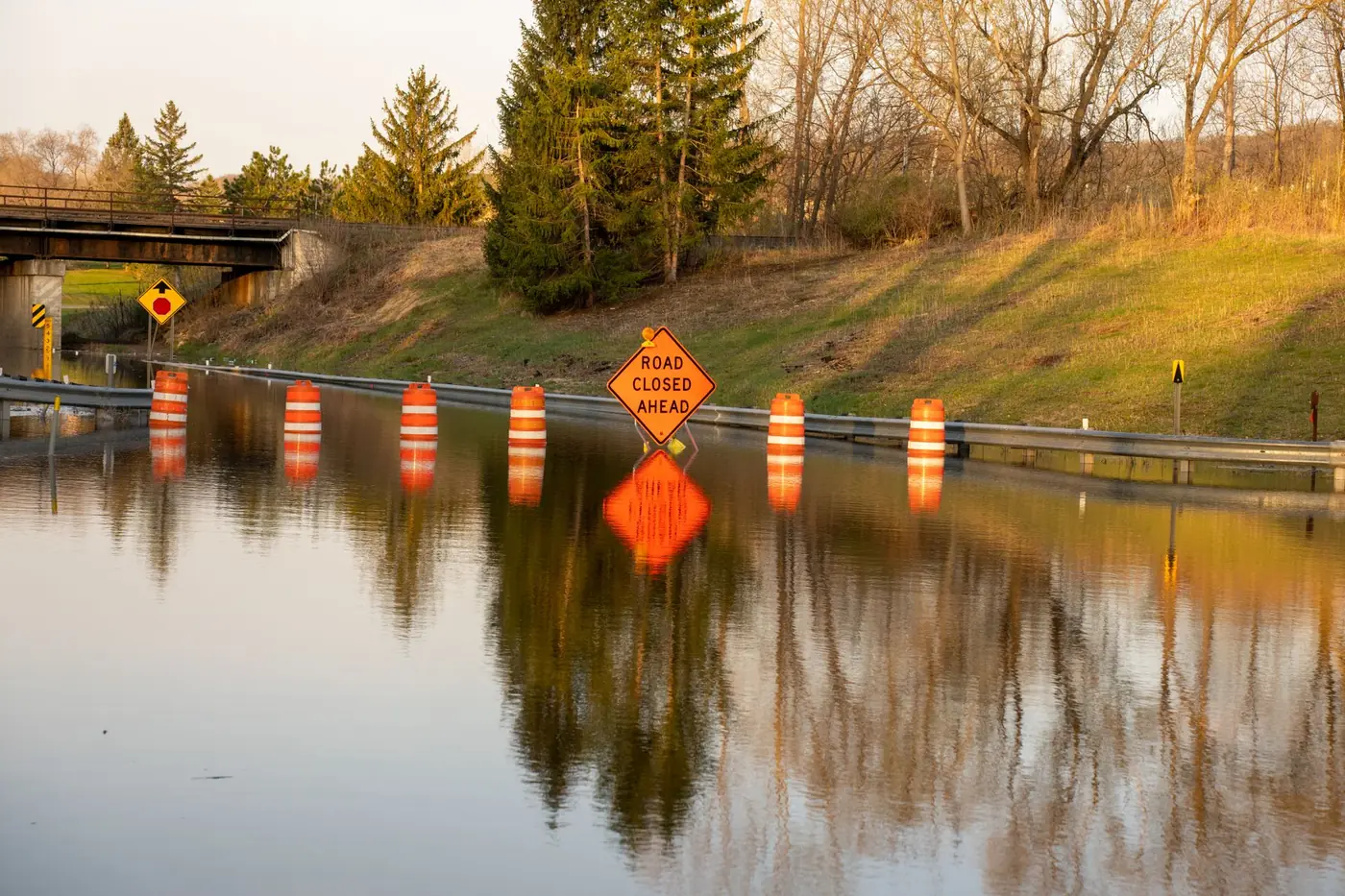
Turn Around, Don’t Drown
Never drive or walk through flood water. According to the National Weather Service, just 6 inches of moving water can knock an adult off their feet, about 12 inches can float many cars, and 2 feet of rushing water can carry away most vehicles, including SUVs and pickups. You also can’t see whether the road underneath has washed out. If you see water over the road, turn around and find another way.
After a Flood: Recovery Starts Here
Once the water goes down, the risks don’t disappear right away. Here’s how to stay safe and get your recovery started on the right foot.
Stay safe when you return
- Only go home when local officials say it’s safe.
- Watch for downed power lines and damaged gas lines. If you smell gas, leave and call for help.
- Avoid contact with flood water. It can carry sewage, chemicals, and debris.
- Wear gloves and boots while cleaning up.
Document everything before you clean
- Take photos and videos of all damage, including water lines on walls.
- Make a list of damaged items. Don’t throw anything away until you’ve documented it.
- Keep receipts for emergency repairs, cleanup supplies, and temporary lodging.
- Take reasonable steps to prevent more damage, like covering openings or removing standing water, when it’s safe to do so.
- Contact your insurance agent as soon as possible to start the claims process.
Is Your Home Covered? What Flood Insurance Really Means
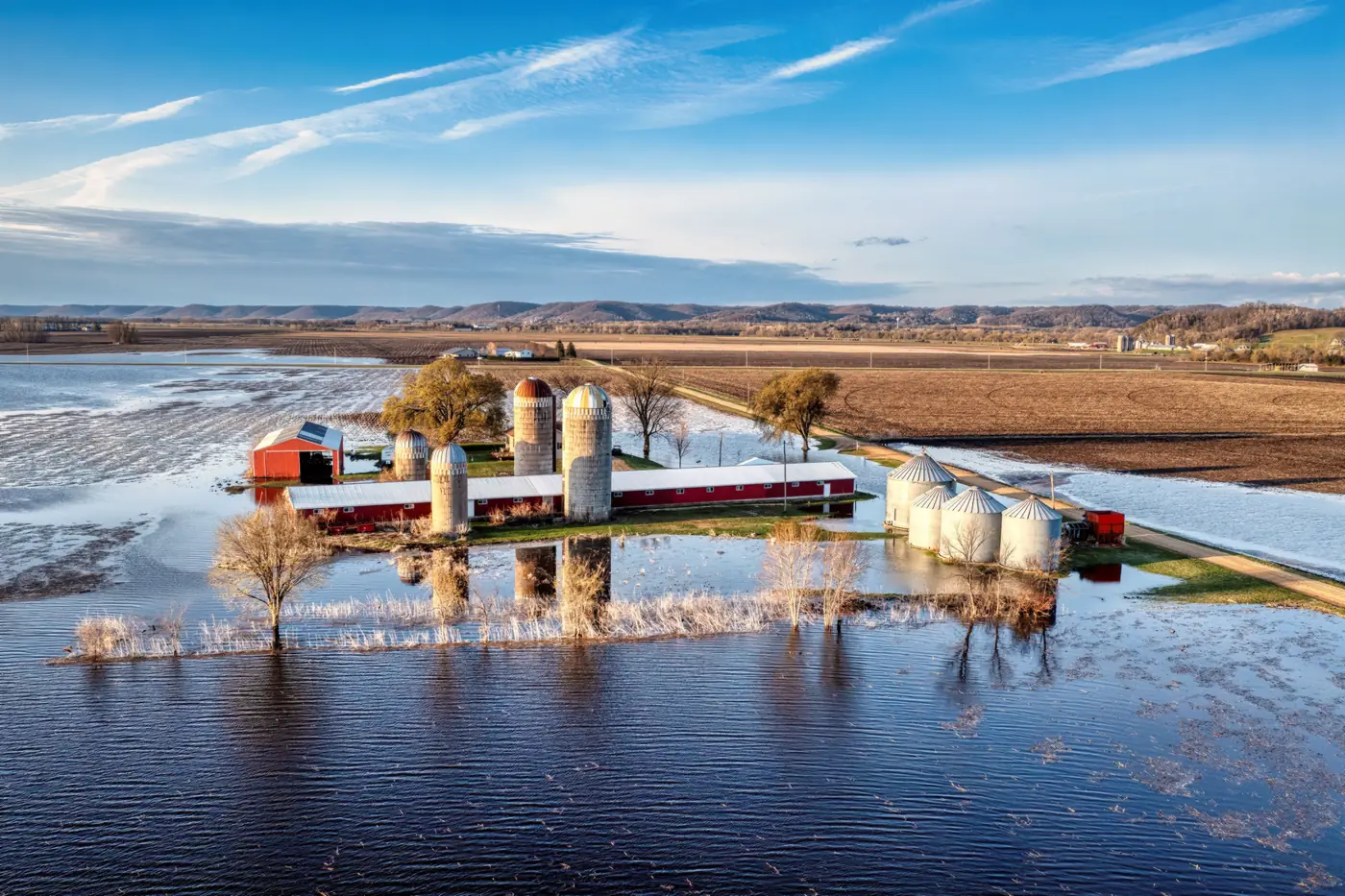
Here’s something many homeowners don’t find out until it’s too late: a standard homeowners insurance policy typically does not cover flood damage. Flood coverage is usually a separate policy, available through the National Flood Insurance Program (NFIP) or through private flood insurance carriers. Learn more about our flood insurance options in New Mexico and West Texas.
A few important things to know:
- You don’t need to live in a high-risk zone to flood. Flash flooding can happen almost anywhere heavy rain falls, including areas that have never flooded before.
- There’s usually a waiting period. NFIP policies generally take 30 days to go into effect, so you can’t wait until a storm is on the way to buy coverage.
- Renters can protect their belongings too. Contents-only flood coverage is available for renters.
- Your car is a separate question. Flood damage to a vehicle is generally covered by the comprehensive portion of an auto policy, not by home or flood insurance.
- Business owners need to plan too. Commercial property policies often exclude flood, so it’s worth reviewing your coverage if you own a shop, office, or yard.
Weather in our area can bring more than one kind of storm damage. If you haven’t already, take a look at our guide to wind and hail insurance to make sure your home is protected from every angle.
Frequently Asked Questions
Does homeowners insurance cover flooding?
In most cases, no. Standard homeowners policies typically exclude flood damage. You’ll usually need a separate flood insurance policy to be covered.
Can I buy flood insurance right before a storm?
You can apply anytime, but NFIP policies generally have a 30-day waiting period before coverage begins. That’s why it’s best to get covered well before storm season.
What should I do first after my home floods?
Make sure it’s safe to go back, then document all the damage with photos and video before you clean up. Contact your insurance agent as soon as possible to start your claim.
Is it safe to drive through a flooded road if my truck is high enough?
No. Moving water can sweep away even large trucks, and the road beneath the water may be damaged or gone. Always turn around and find another route.
Not sure if you’re covered? Let’s find out together.
Now that you know what to do in a flood, make sure your finances are protected too. At Golden Insurance Agency, we help families and businesses across Artesia, Lovington, Hobbs, and Lubbock understand exactly what their policies cover, and what they don’t. As an independent agency, we compare options from multiple carriers to find the right flood protection for you.
Get a Flood Insurance QuoteCall 575-736-1500This article is for general informational purposes only. Coverage varies by policy and carrier. Always follow instructions from local officials and the National Weather Service during severe weather.